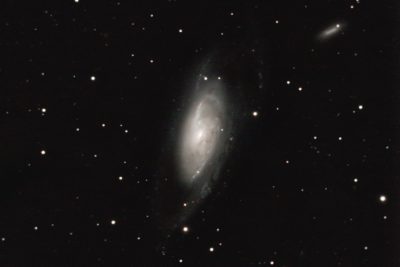
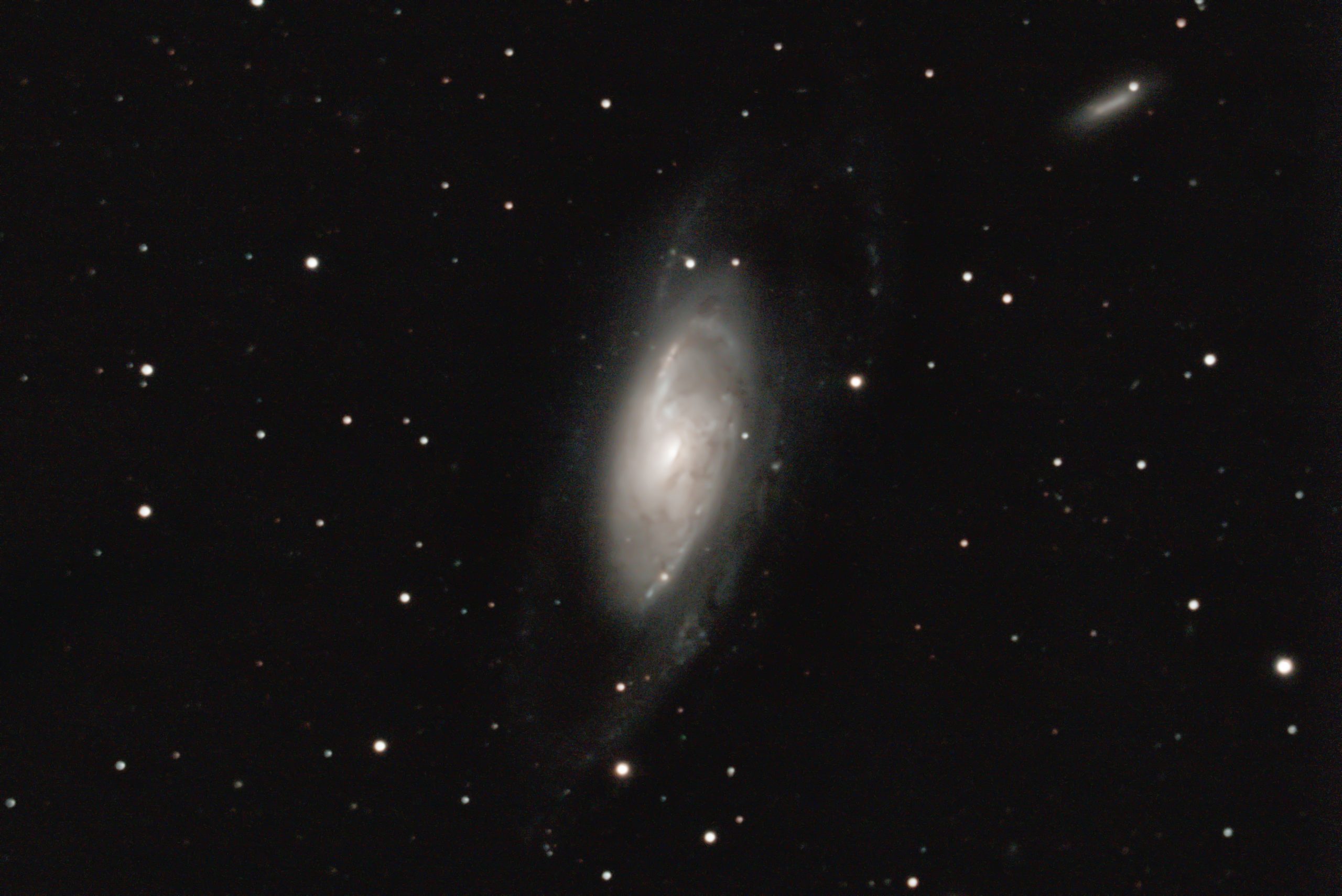
Die Galaxie Messier 106 ist eine Balken-Spiralgalaxie und befindet sich im Sternbild Jagdhunde dicht neben der Großen Bärin. Sie ist
die nächsten Termine
26Apr2024
Astronomie-Kindergruppe Freitag um 16:00 Uhr, Planetarium Kanena Du interessierst dich für Astronomie und Raumfahrt? Dann komm zu einer Schnupperstunde ins Planetarium Kanena und werde Mitglied in unserer Kindergruppe! (Anmeldung erwünscht)
26Apr2024
Astronomie-Jugendgruppe Freitag um 17:00 Uhr, Planetarium Kanena Du interessierst dich für Astronomie und Raumfahrt? Dann komm zu einer Schnupperstunde ins Planetarium Kanena und werde Mitglied in unserer Jugendgruppe! (Anmeldung erwünscht)
27Apr2024
Öffentliche Beobachtung Samstag um 21:00 Uhr, Planetarium Kanena Bei klarem Himmel beobachten wir in der Sternwarte Kanena den Mond, sichtbare Planeten und verschiedene „Deep Sky“ Objekte. Die Veranstaltung findet nur nach Anmeldung statt: kontakt@planetarium-kanena.de.
20xx
Weitere Termine alle zukünftigen Termine und was wir sonst noch für Sie vorbereitet haben
ist eine Balken-Spiralgalaxie und befindet sich im Sternbild Jagdhunde dicht neben der Großen Bärin. Sie ist ungefähr 23 Millionen Lichtjahre von uns entfernt, also etwa etwa 10 mal soweit weg wie der Andromedanebel. Eine weitere Galaxie, eine Zwerggalaxie, ist im Bild rechts oben zu sehen.
Aufnahmedaten:
Halle-Bruckdorf
16.03.2024 ab 22:00 Uhr
Asi183MC Pro mit Celestron 8 und CLS-Filter,
75 x 180 s belichtet
bearbeitet mit Photoshop
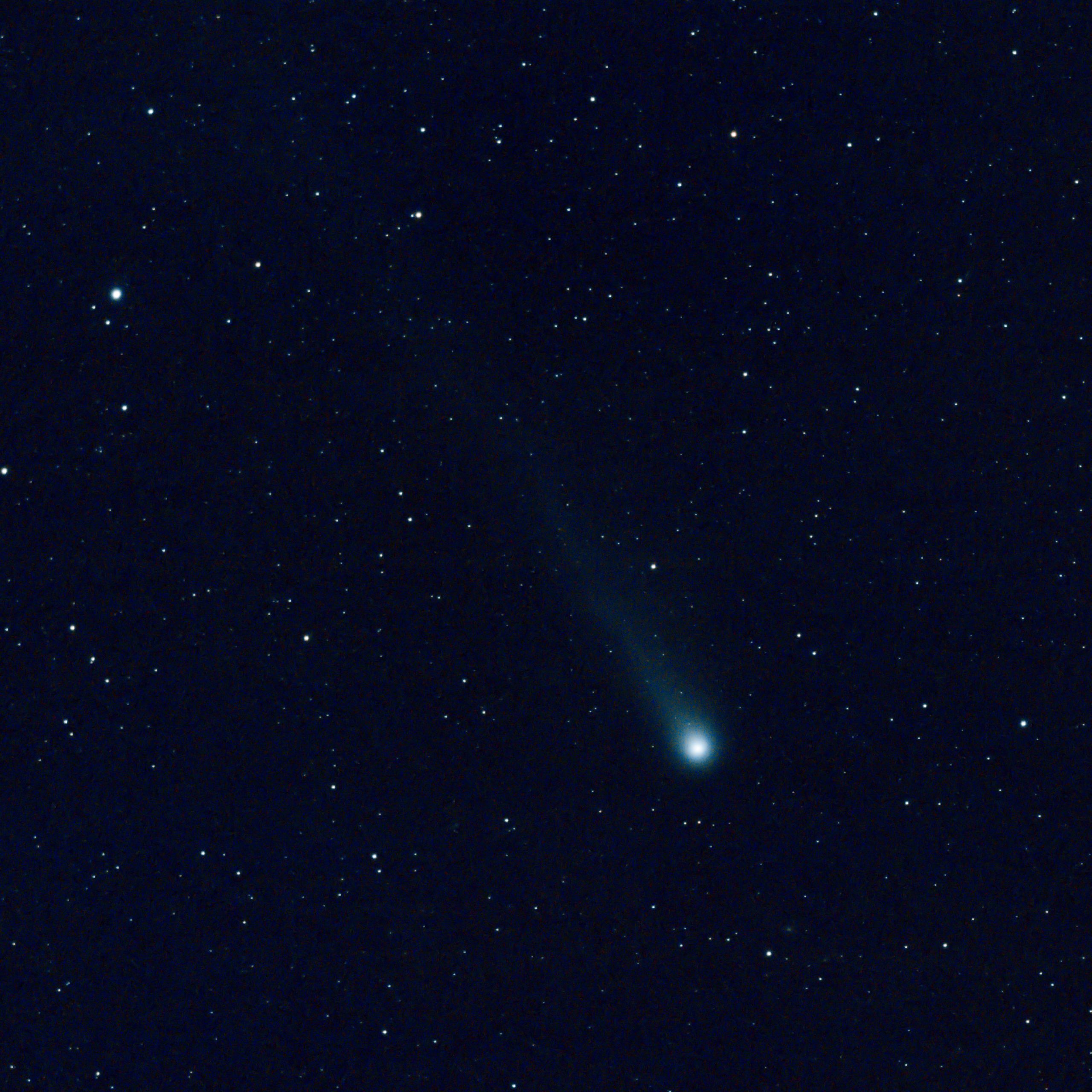
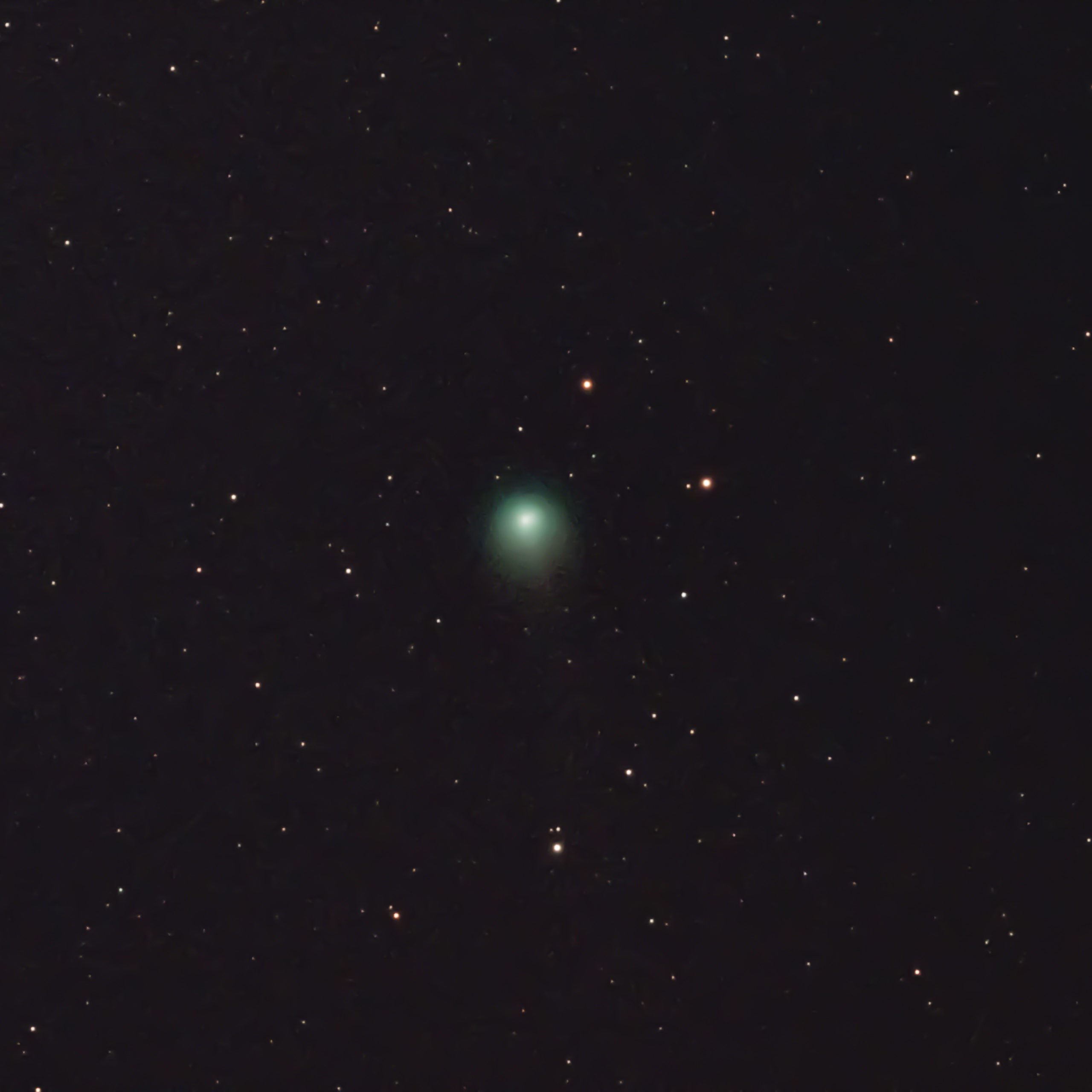
bewegt sich gerade durch das Sternbild Andromeda. Mit bloßem Auge ist er aber nicht zu sehen. Auch im Fernglas war er nicht aufzufinden, da er abends gegen 21 Uhr tief im Nordwesten steht. Nur fotografisch war er nachzuweisen.
Aufnahmedaten:
Halle-Bruckdorf
03.03.2024 20:30 Uhr
Asi183MC Pro mit Apo 71/450 und CLS-Filter,
8 x 120 s belichtet
bearbeitet mit Photoshop
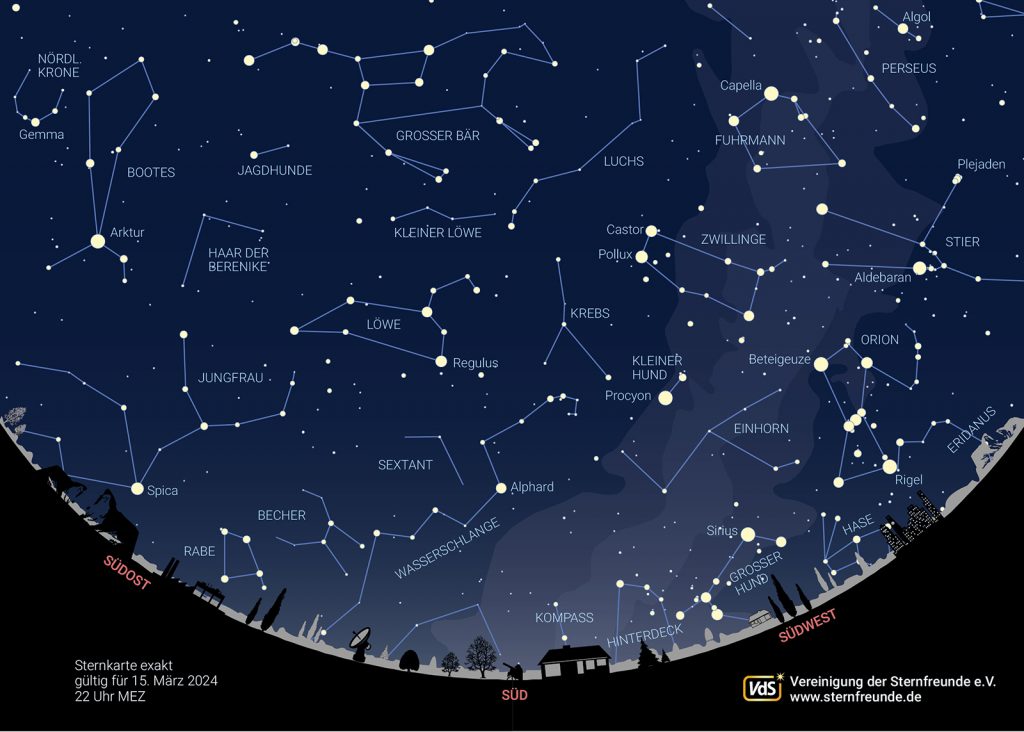
Der Sternenhimmel im März bildet den Übergang von den Winter- zu den Frühlingssternbildern. Abends kann man sich noch an den funkelnden Sternen von Orion, Großer Hund, Kleiner Hund, Zwillinge, Fuhrmann und Stier erfreuen. Um Mitternacht haben sie dann den Frühlingssternbildern rund um den Löwen Platz gemacht. Zwischen den Zwillingen und dem Löwen fällt das Tierkreissternbild Krebs kaum auf. Bei klarem Himmel und fernab störender Lichter wird man mitten im Krebs einen Nebelfleck entdecken: den offenen Sternhaufen Praesepe, die Krippe. Steil über uns findet man jetzt den Großen Bären, dessen sieben hellste Sterne die bekannte Figur des Großen Wagens bilden.
In Südostrichtung erhebt sich Spica im Sternbild Jungfrau über den Horizont. Weiter nordöstlich funkelt der orange Arktur im Sternbild Bootes. Über dem Südhorizont schlängelt sich jetzt der vordere Teil des ausgedehnten Sternbilds Wasserschlange; bei nicht so klarem Himmel wird man allenfalls ihren hellsten Stern Alphard sehen können – sein Name bedeutet nicht ganz zufällig „der Einsame“. Das kleine Sternbild Rabe hat sich gerade über den Horizont geschoben. Obwohl es nur aus schwächeren Sternen besteht, ist es aufgrund seiner kompakten Figur gut zu erkennen.
Sternkarte – März 2024 (VdS)
Die Planeten im März 2024
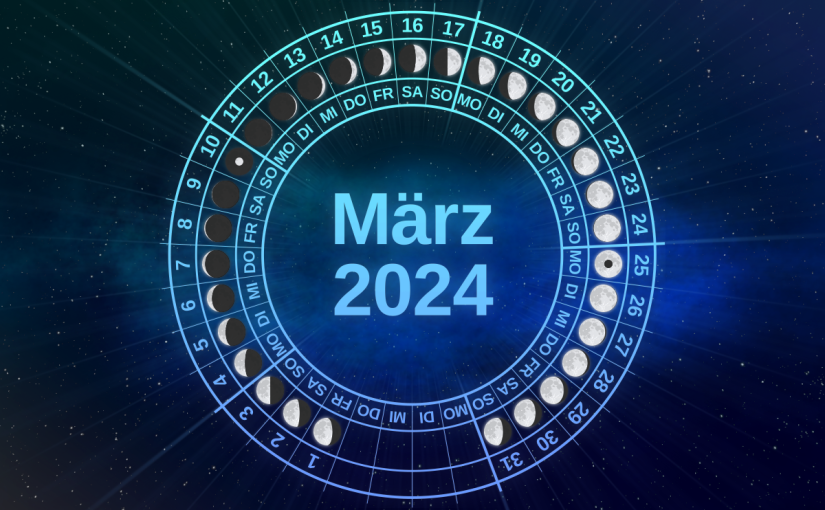
Merkur zeigt sich ab Mitte März am Abendhimmel über dem Westhorizont. Die besten Beobachtungstage sind rund um den 21.3. gegen 19:30 Uhr – optimale Bedingungen, um den sonnennahen Planeten aufzusuchen! Sportliche Herausforderung: am 11.3. die sehr schmale Mondsichel und den rund sieben Grad tiefer stehenden Merkur im Fernglas ausmachen.
Venus verblasst nun in der Morgendämmerung, die Begegnung mit Saturn am 22.3. ist ein Fall für Spezialisten.
Mars entfernt sich im Laufe des März zunehmend von der Sonne, steht aber deutlich tiefer und taucht daher noch nicht am Morgenhimmel auf.
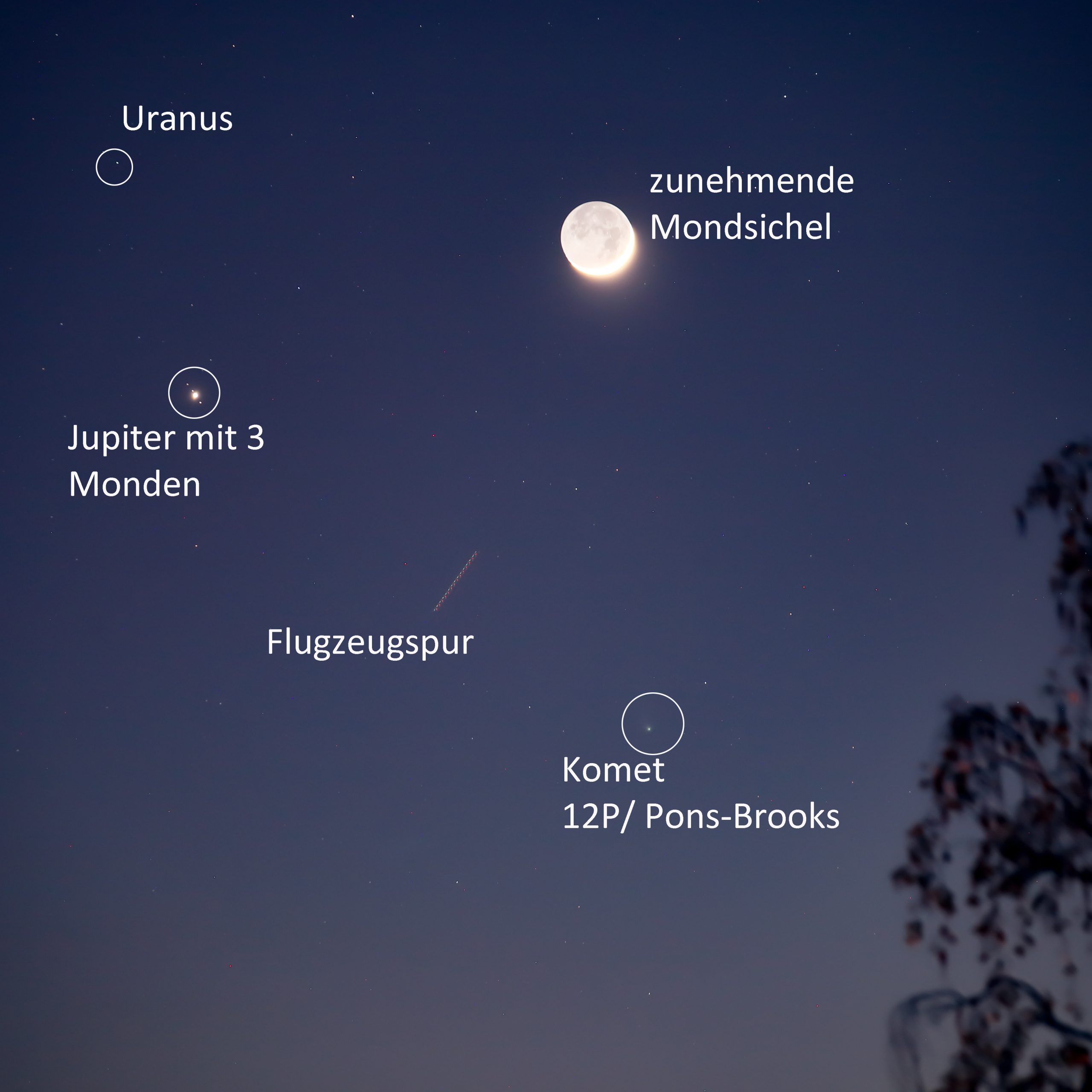
Jupiter ist noch auffälliger Planet am Abendhimmel, doch seine Sichtbarkeitsperiode neigt sich nun dem Ende entgegen. Am 13.3. kann man noch einmal das Duo Jupiter und zunehmende Mondsichel bewundern.
Saturn stand Ende Februar in Konjunktion mit der Sonne und taucht im März noch nicht wieder am Morgenhimmel auf. Die Begegnung mit Venus am 22.3. (Abstand 0,5 Grad) ist bei sehr guter Durchsicht einen Versuch am Taghimmel wert.
Uranus zieht weiterhin im Widder seine Bahn, ist abends aber nur noch für wenige Stunden zu sehen.
Neptun nimmt am 17.3. seine Konjunktionsstellung mit der Sonne ein, der ferne Planet ist unbeobachtbar.
(Quelle: Vereinigung der Sternfreunde e.V.: sternfreunde.de)
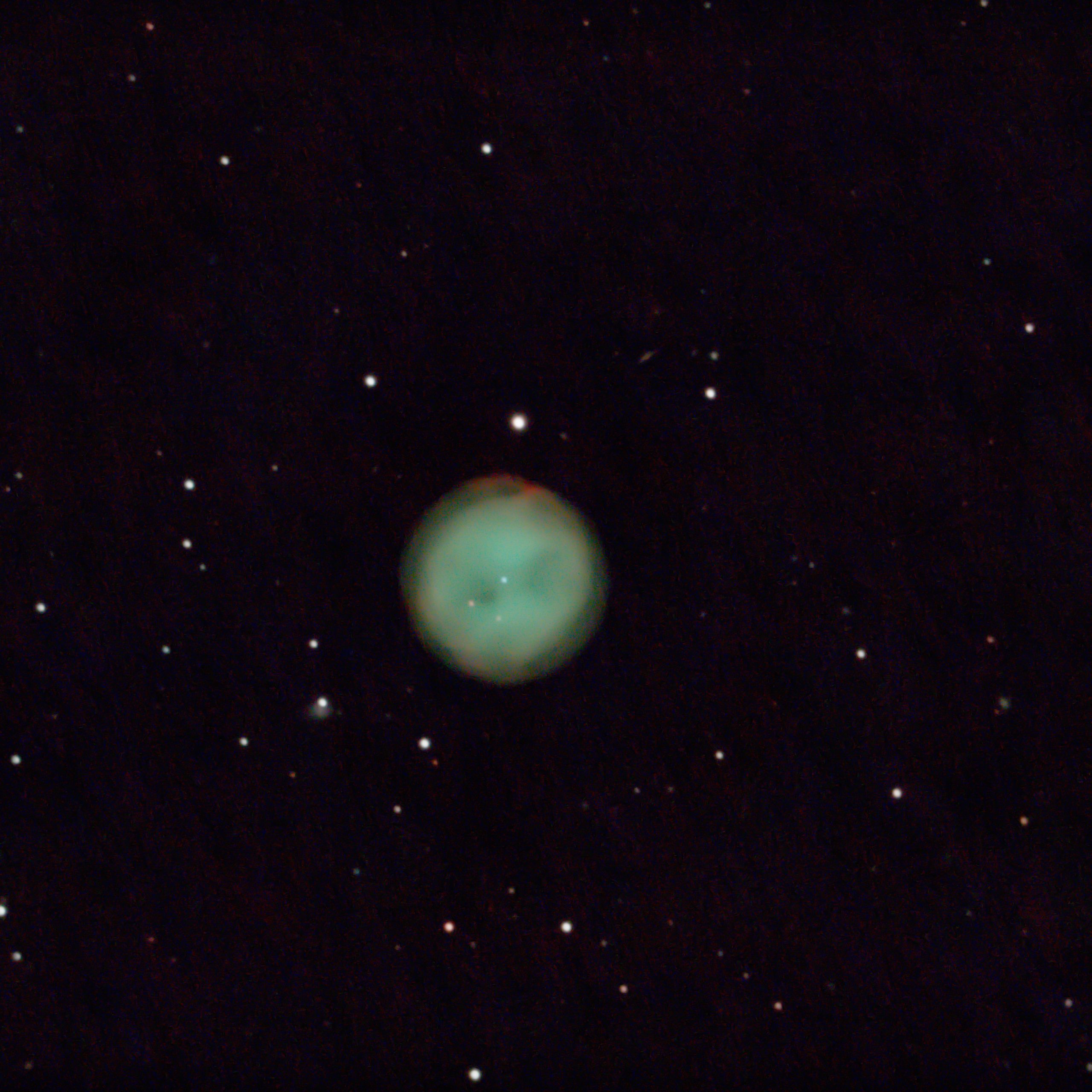
trägt auch die Bezeichnung Messier 97. Es ist einer von nur vier planetarischen Nebel im Messier-Katalog. Er befindet sich im Sternbild Große Bärin. Seine Entfernung beträgt ungefähr 3000 Lichtjahre.
Aufnahmedaten:
Halle-Bruckdorf
20.01.2024 ab 22:30 Uhr
Asi183MC Pro mit Celestron 8 und CLS-Filter,
60 x 180 s belichtet
bearbeitet mit Photoshop
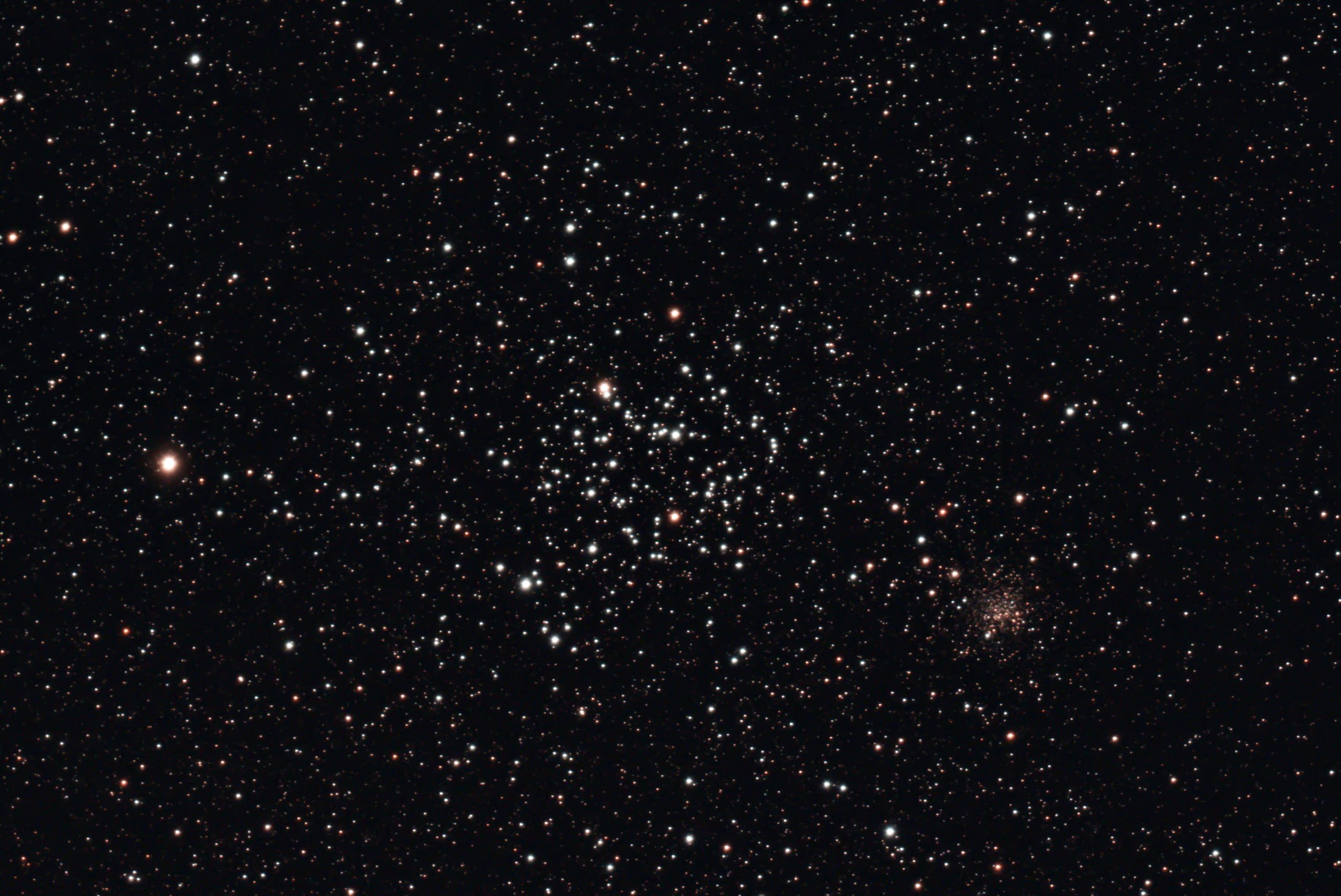
trägt im Messier Katalog die Nr. 35. Es handelt sich um einen offenen Sternhaufen im Sternbild Zwillinge, der unter günstigen Bedingungen mit bloßem Auge sichtbar ist. Er ist ungefähr 2800 Lichtjahre entfernt und liegt inmitten der Milchstraße. Aktuell ist er die ganze Nacht über sichtbar.
Aufnahmedaten:
Halle-Bruckdorf
10.01.2024 gegen Mitternacht
Asi183MC Pro mit Apo 71/450 und CLS-Filter,
30 x 120 s belichtet
bearbeitet mit Photoshop
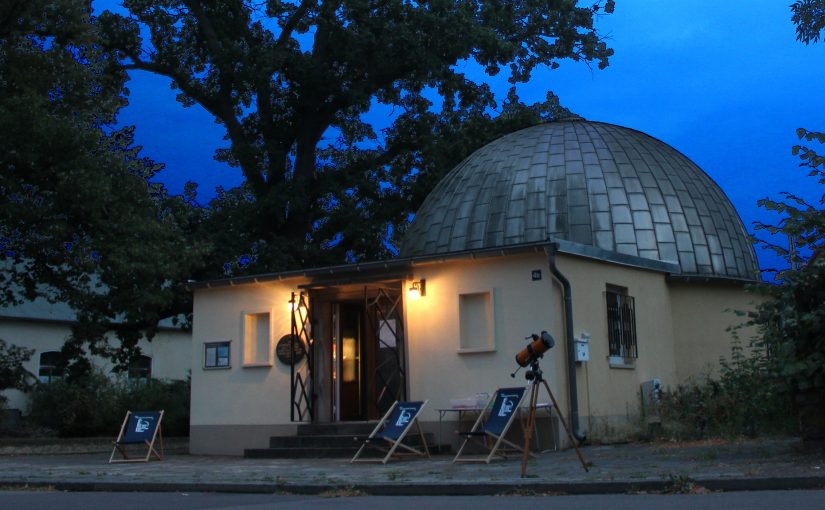
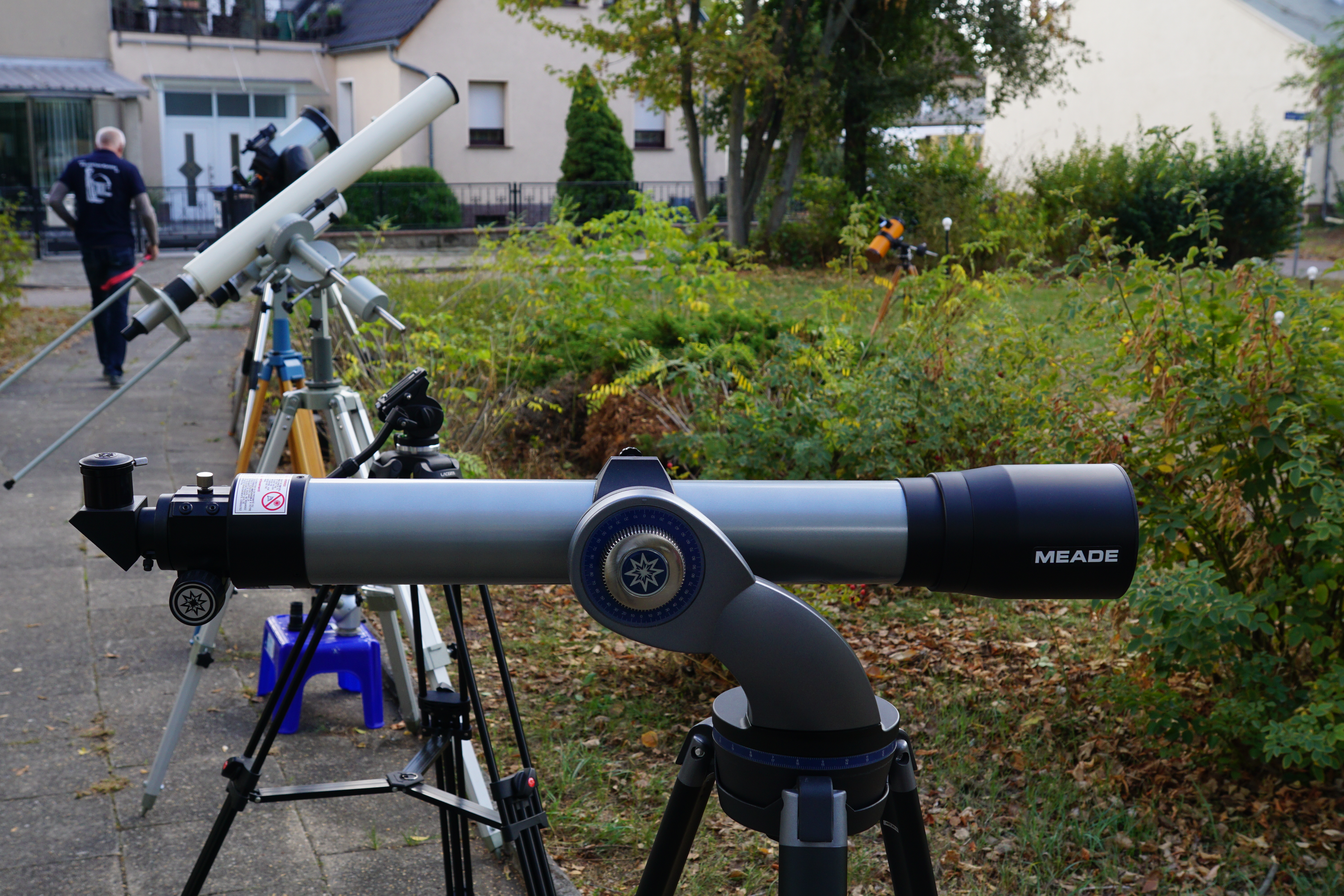
Wir laden Sie am 21. Februar 2024 um 19 Uhr ins Planetarium Kanena ein und erklären Ihnen die grundlegende Funktionsweise und Handhabung von Teleskopen, geben einen Überblick über verschiedene Teleskoptypen und verraten Ihnen noch einige Beobachtungstipps. (Anmeldung erforderlich)
Besitzen Sie ein Teleskop und wissen nicht, wie es funktioniert? Klappert das Stativ? Funktioniert die Montierung nicht? Ist das Bild unscharf? Oder gibt es andere Probleme? Bringen Sie Ihr Teleskop mit und wir schauen gemeinsam, ob wir Ihnen helfen können.
Oder überlegen Sie, ob sich der Kauf eines Teleskops für Sie lohnt? Im Planetarium haben wir einige Teleskope, die wir gern gemeinsam mit Ihnen nutzen können.
Wir freuen uns auf Ihren Besuch!
Datum: Mi, 21. Februar 2024
Uhrzeit: 19 Uhr
Altersempfehlung: ab 10 Jahren
Kosten: Die Veranstaltung ist kostenlos.
Anmeldung: Damit wir Sie zum Workshop individuell betreuen können, ist eine Anmeldung zur Veranstaltung erforderlich. Bitte nutzen Sie hierfür folgende Mail-Adresse: kontakt@planetarium-kanena.de.
Termine: Wir treffen ins in der Regel jeden ersten und dritten Mittwoch im Monat zu unserem Astrotreff, um astronomisch Themen zu sprechen.
Ort: Astronomische Station
Johannes Kepler Kanena e.V.
Schkeuditzer Str. 4b
06116 Halle (Saale)
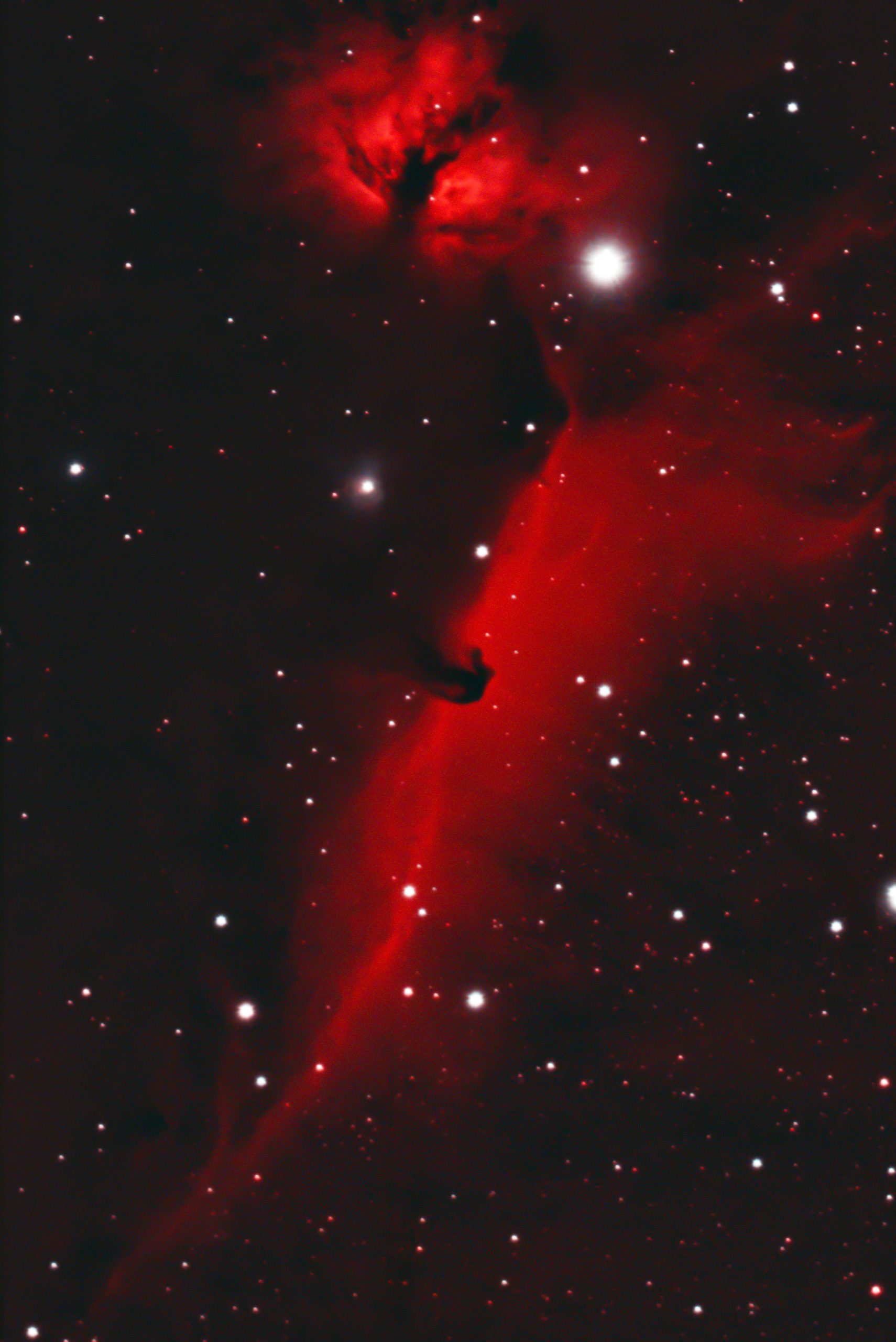
befinden sich ganz dicht bei Alnitak, dem linken Gürtelstern des Orions. Leider sieht man beide Nebel nicht so nicht im Teleskop. Das geht nur photografisch.
Aufnahmedaten:
Halle-Bruckdorf
09.01.2024 gegen Mitternacht
Asi183MC Pro mit Apo 71/450 und Optolong-Extrem-Filter, 48 x 300 s belichtet
bearbeitet mit Photoshop
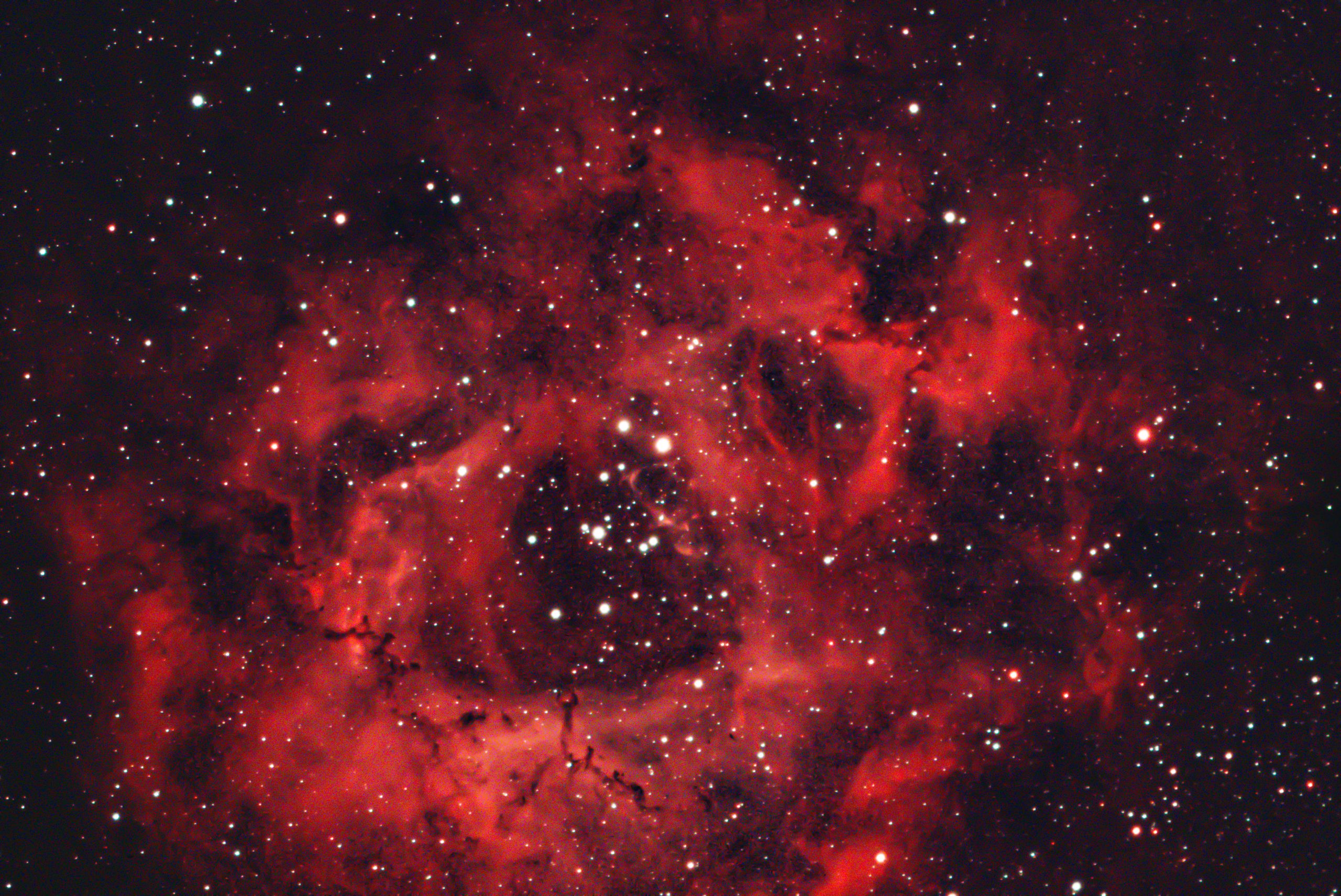
im Sternbild Einhorn trägt die Bezeichnung NGC 2244. Er ist größer als der Vollmond, aber sehr lichtschwach. Eingebettet ist ein offener Sternhaufen. Mit einem kleinen Teleskop kann man den Sternhaufen sehen, der Nebel ist nur photografisch zu erkennen.
Aufnahmedaten:
Halle-Bruckdorf
30.12.2023 gegen Mitternacht
Asi183MC Pro mit Apo 71/450 und Optolong-Extrem-Filter, 20 x 300 s belichtet
bearbeitet mit Photoshop